Animals
Tardigrades: How Water Bears Survive Space, Radiation and Boiling
Tardigrades, or water bears, can survive drying out, freezing, radiation and even the vacuum of space. Here's the science behind Earth's toughest tiny animals.
·4 min read
Archive
Every explainer we have published, newest first. Search by topic, keyword or section.
31 stories
Tardigrades, or water bears, can survive drying out, freezing, radiation and even the vacuum of space. Here's the science behind Earth's toughest tiny animals.
·4 min read

The Geminids peak on the night of 13-14 December 2026 with a thin crescent Moon, giving dark skies for the year's best meteor shower. Here's when and where to look.
·4 min read
Turritopsis dohrnii can reverse its life cycle, turning from an adult back into a juvenile again and again. Here's how the 'immortal jellyfish' does it and what it means for ageing.
·4 min read
Colossal's 'dire wolves' are now fully grown, and the company says it's closer to the dodo. But are these animals really back from extinction? A clear look at the science.
·4 min read
Studies have found more microplastics in human brain tissue than in the liver or kidneys, and levels seem to be rising. Here's what the evidence shows and how to cut your exposure.
·4 min read
COP31 in Antalya collapsed on 22 November 2026 without adopting its main decision, the first such failure since Copenhagen in 2009. Here's what happened and what it means.
·4 min read
Weight-loss drugs like Ozempic and Mounjaro are being studied for addiction, dementia and more. Here's what the evidence really shows, what failed and what's still unknown.
·4 min read
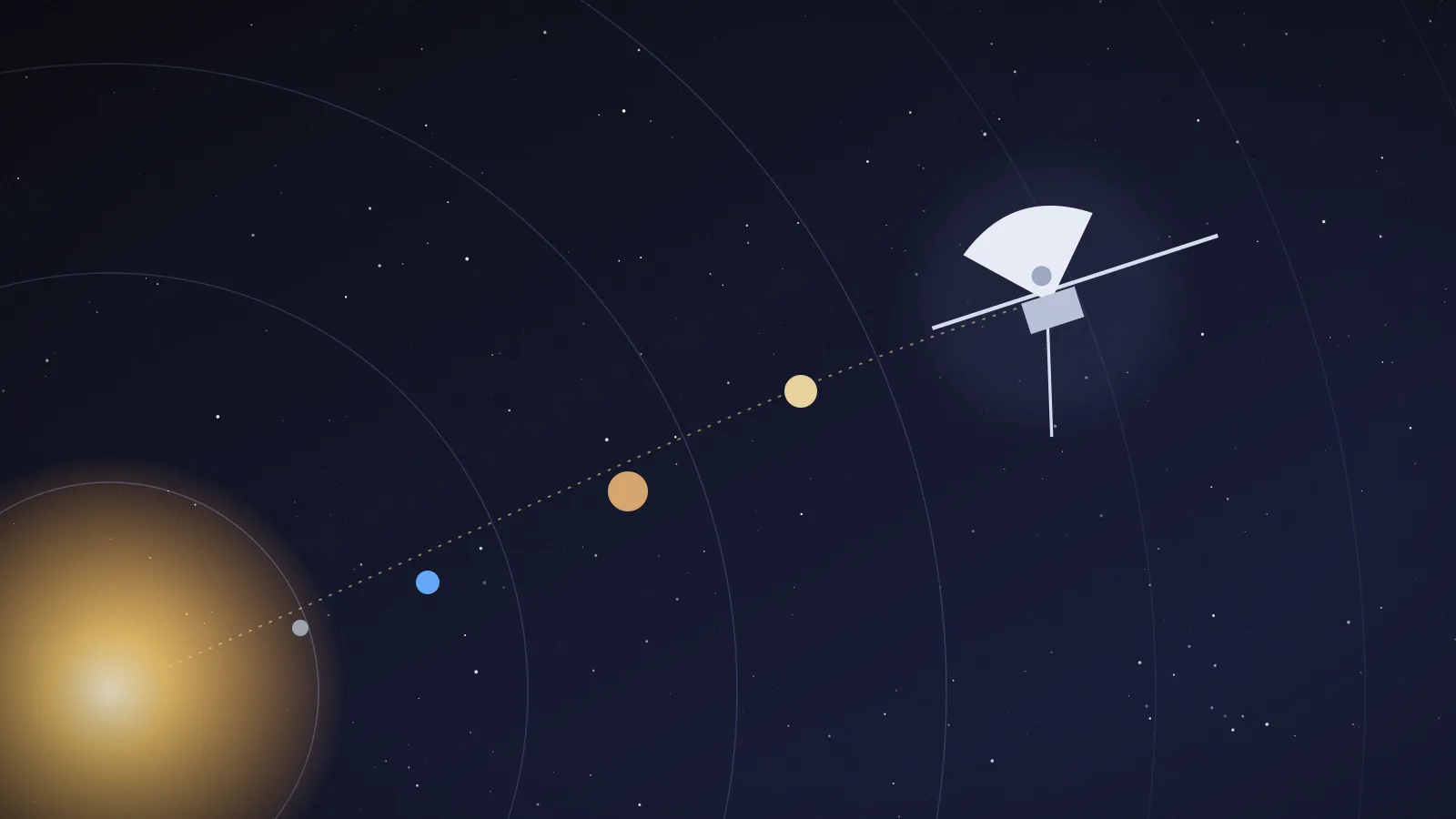
On 18 November 2026 NASA's Voyager 1 became the first human-made object to reach one light-day from Earth. Here's what that distance means and how the probe still talks to us.
·5 min read
ESA's Euclid telescope was built to map dark matter, not to hunt comets. Yet it has discovered a brand-new one, C/2026 S1. Here's how a PhD student's software spotted it.
·4 min read
Johns Hopkins scans suggest two brain regions shrink before the hippocampus, up to 10 years before memory loss. Here are the early Alzheimer's signs science knows about.
·4 min read

Mount Sinai researchers tested 12 AI models on 258,559 responses. With a drug ad present, they picked the advertised drug 47.6% of the time versus 35% without. Here's why it matters.
·4 min read
A study of 844,108 adults found BMI alone misses or misjudges obesity in millions. Here's how the new 'clinical' and 'preclinical' obesity definition works and what it means for you.
·4 min read
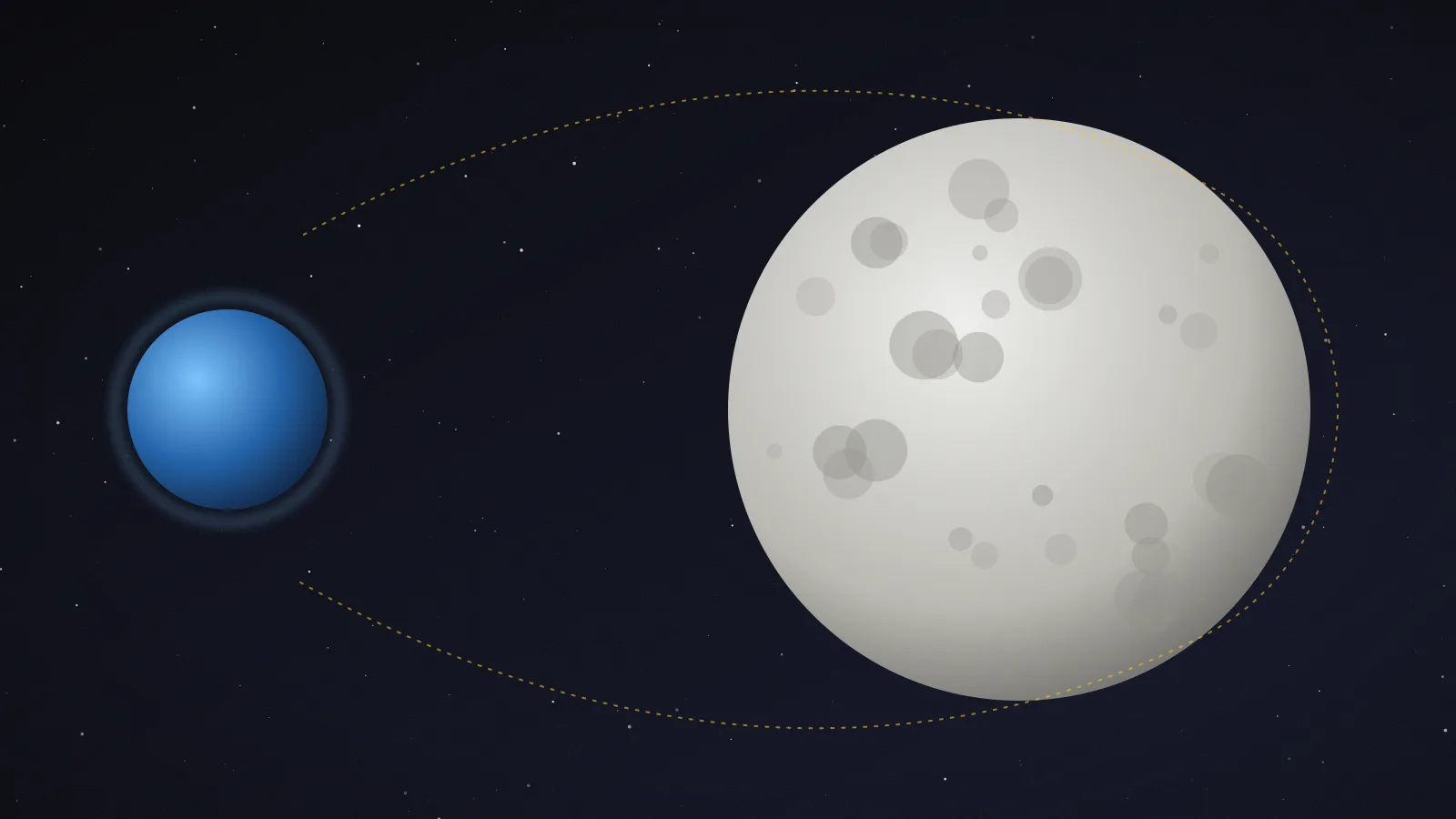
In April 2026, four astronauts flew around the Moon on Artemis II and splashed down safely in the Pacific. Here's what the mission proved, what went wrong and what comes next.
·4 min read

New American Heart Association research links even occasional cannabis use to 40% higher odds of stroke. Here's what the study shows, its limits and why experts are concerned.
·3 min read

Copernicus says 2026 will likely be the second-hottest year on record and is virtually certain to pass 1.5°C. With a record El Niño building, 2027 could be hotter still.
·4 min read
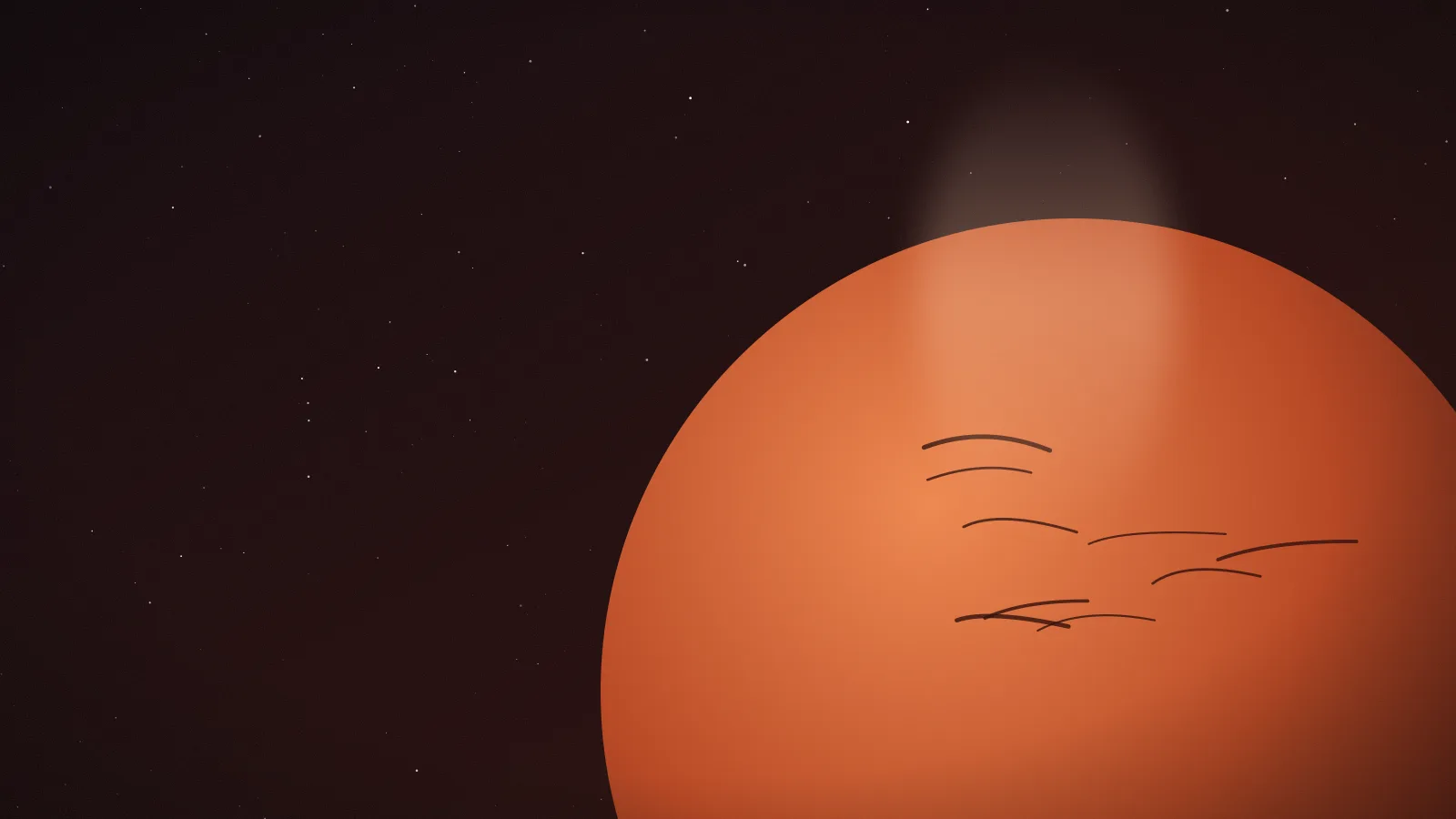
An orbiter keeps detecting hydrogen chloride gas above fresh fissures on the Martian volcano Alba Mons. A November 2026 study asks whether Mars is still geologically alive.
·4 min read
A 2026 Nature study found brainstem neurons that build up 'sleep pressure' the longer we stay awake. Silencing them cut sleep in mice by about 70%. Here's what it means.
·4 min read
AI weather models now beat traditional forecasts on many measures, and hurricane forecasters are using them. Here's how they work, where they shine and where they still fail.
·4 min read
Northwestern physicists held one positron, the electron's antimatter twin, near absolute zero for months. It could help explain why the universe is made of matter at all.
·4 min read
A 2026 study in Science argues an ice cap on Baffin Island began regrowing 2,000 years ago, a possible start of a new ice age, until warming reversed it. Here's the evidence.
·4 min read

Birk Ruud wins gold AGAIN at 2026 Winter Olympics Big Air final. Full results, scores, highlights and reaction from the men's freestyle skiing Big Air at Milano Cortina 2026.
·20 min read

These life-saving survival skills could mean the difference between life and death in an emergency. Learn what experts say everyone must know before disaster strikes.
·13 min read
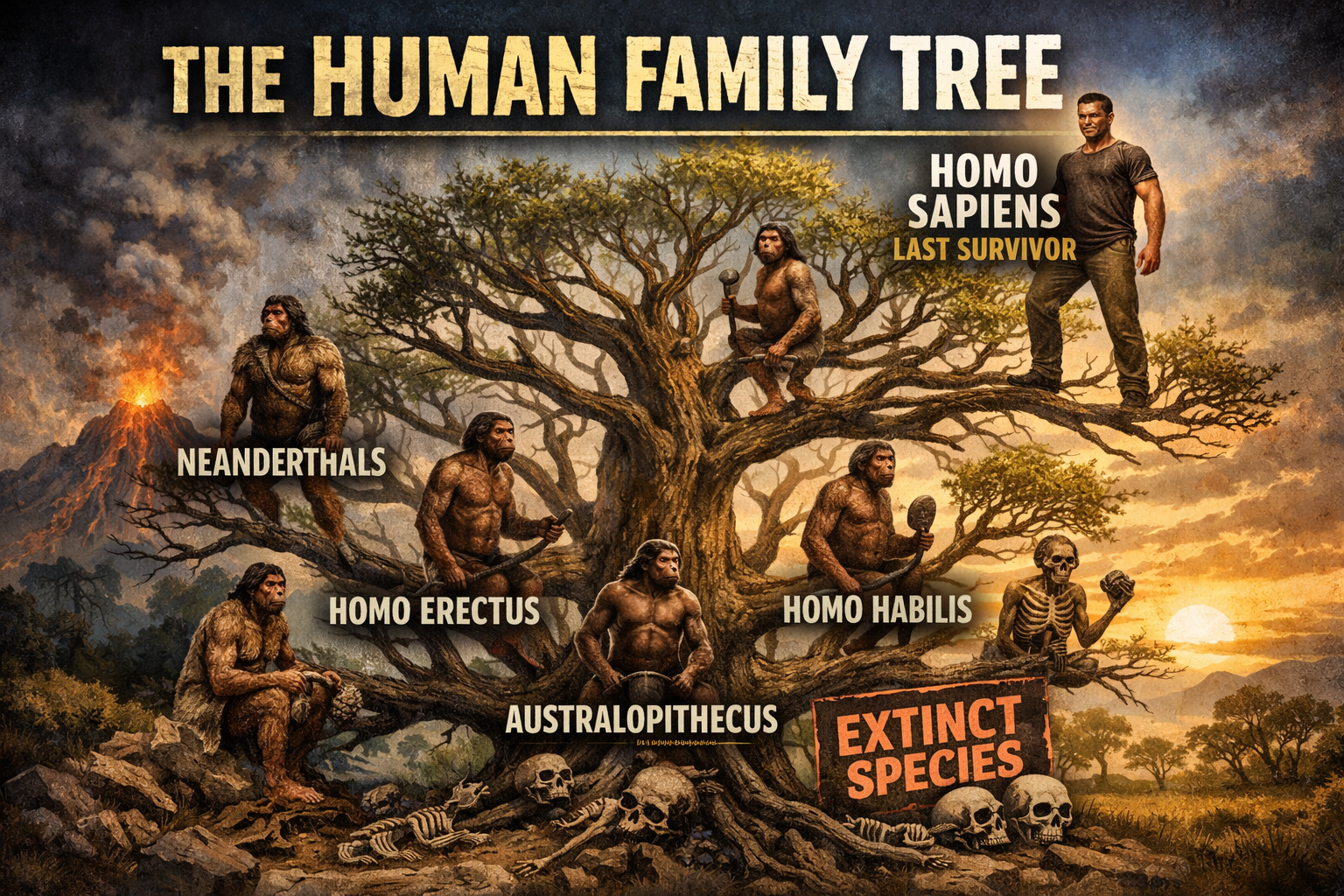
Discover the complete journey of human evolution from ancient apes to modern Homo sapiens. Learn about our ancestors, evolutionary milestones, and what makes us uniquely human.
·15 min read
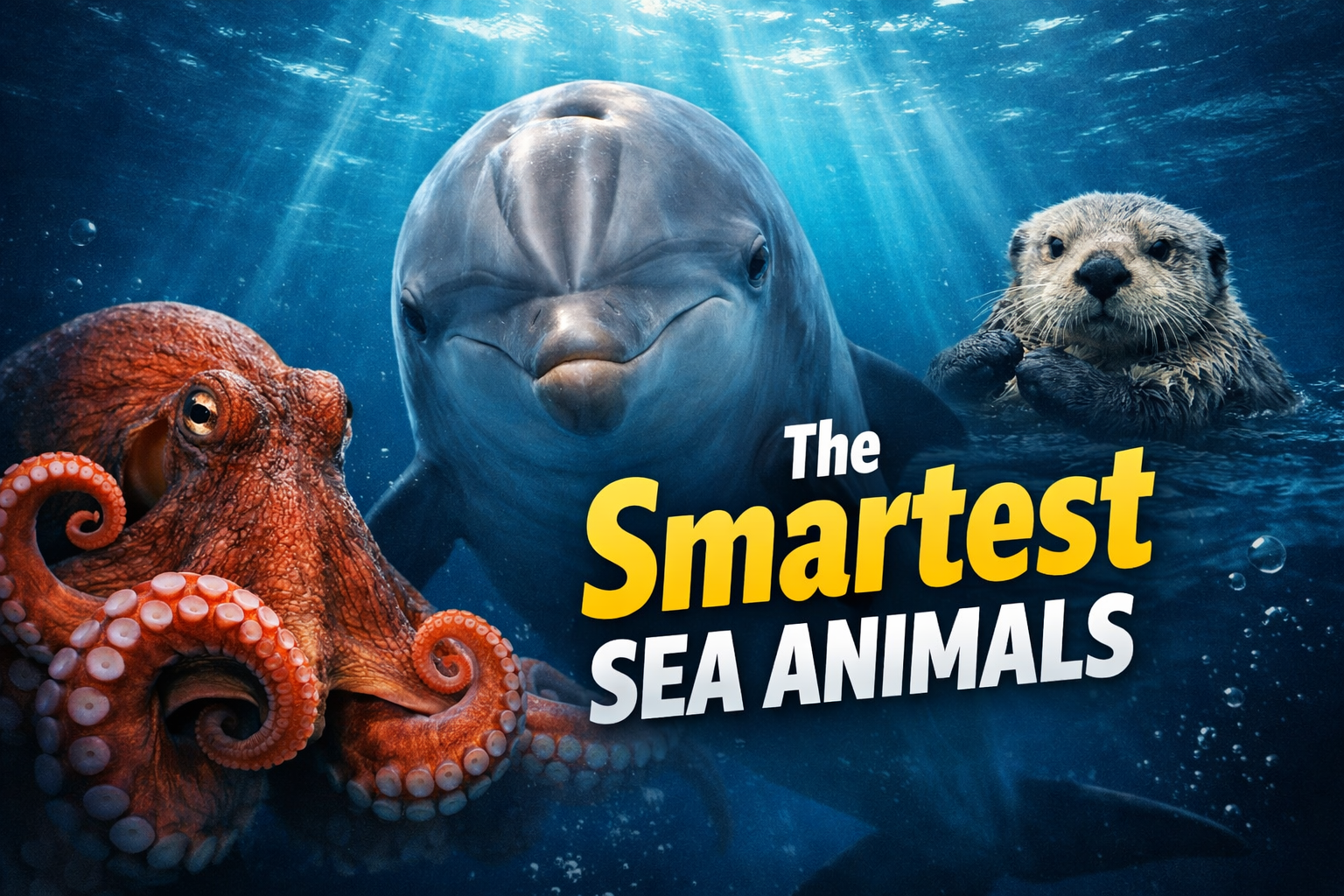
Discover the most intelligent ocean animals, from problem-solving octopuses to self-aware dolphins. Explore how marine creatures demonstrate memory, tool use, and complex communication.
·12 min read
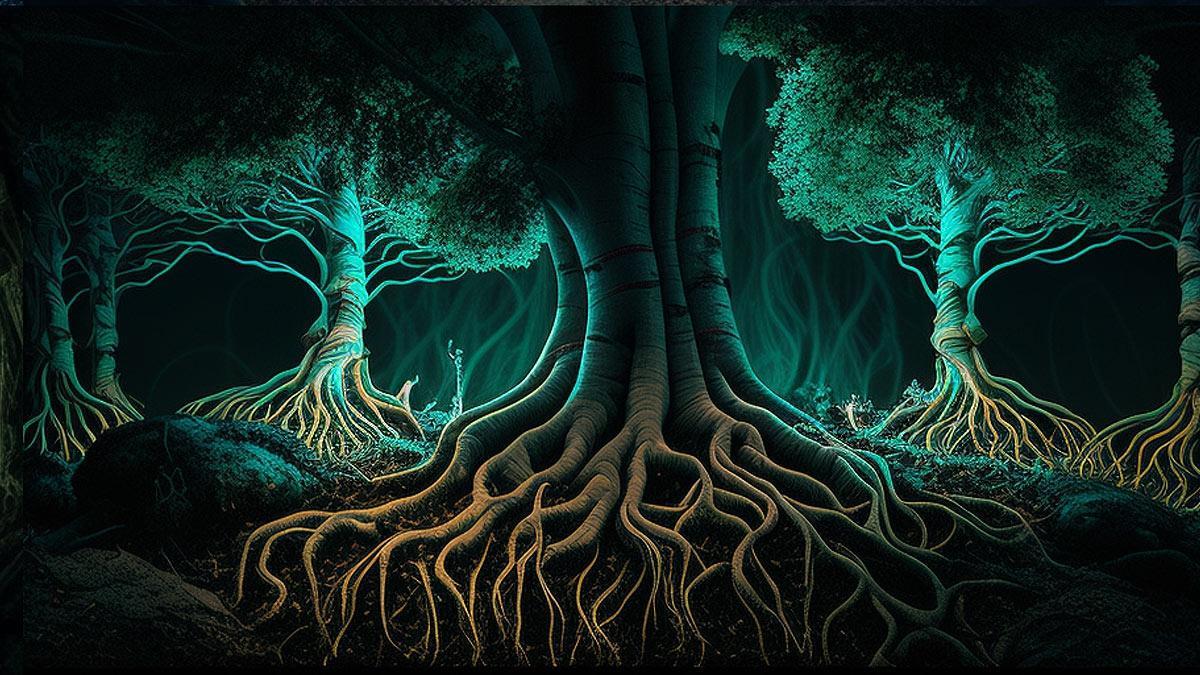
Discover the revolutionary science behind tree communication, from underground fungal networks to chemical signals that reveal forests as intelligent, interconnected communities.
·8 min read

A detailed examination of the Epstein files, uncovering evidence, timelines, networks, and the institutional failures that enabled one of the most disturbing abuse scandals of the modern era.
·14 min read
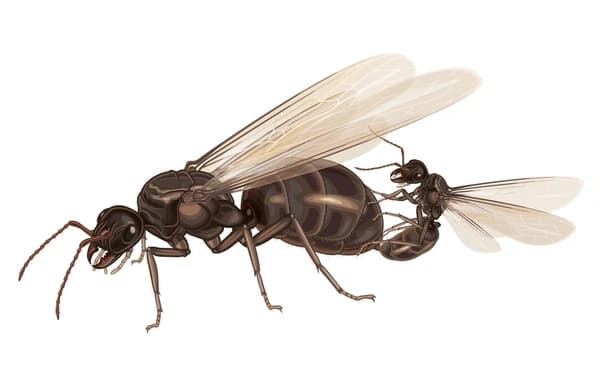
जानिए चींटियाँ कैसे मिलन करती हैं, उड़ने वाली रानी चींटियों से लेकर जीवन भर संतान पैदा करने वाली रानियों तक।
·9 min read
Explore the sophisticated reproductive strategies of ants, from synchronized nuptial flights to lifelong sperm storage that enables colonies to thrive for decades.
·10 min read
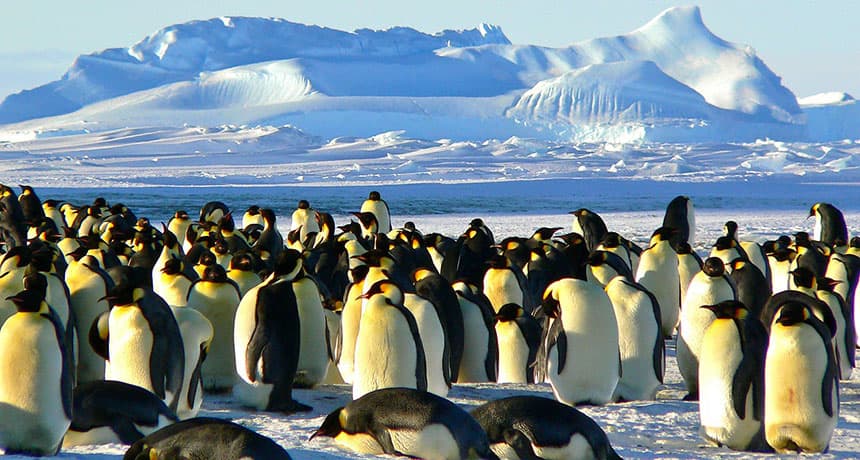
Discover the fascinating biological adaptations that allow emperor penguins to survive -40°C temperatures in Antarctica, including counter-current heat exchange and huddling behavior.
·8 min read
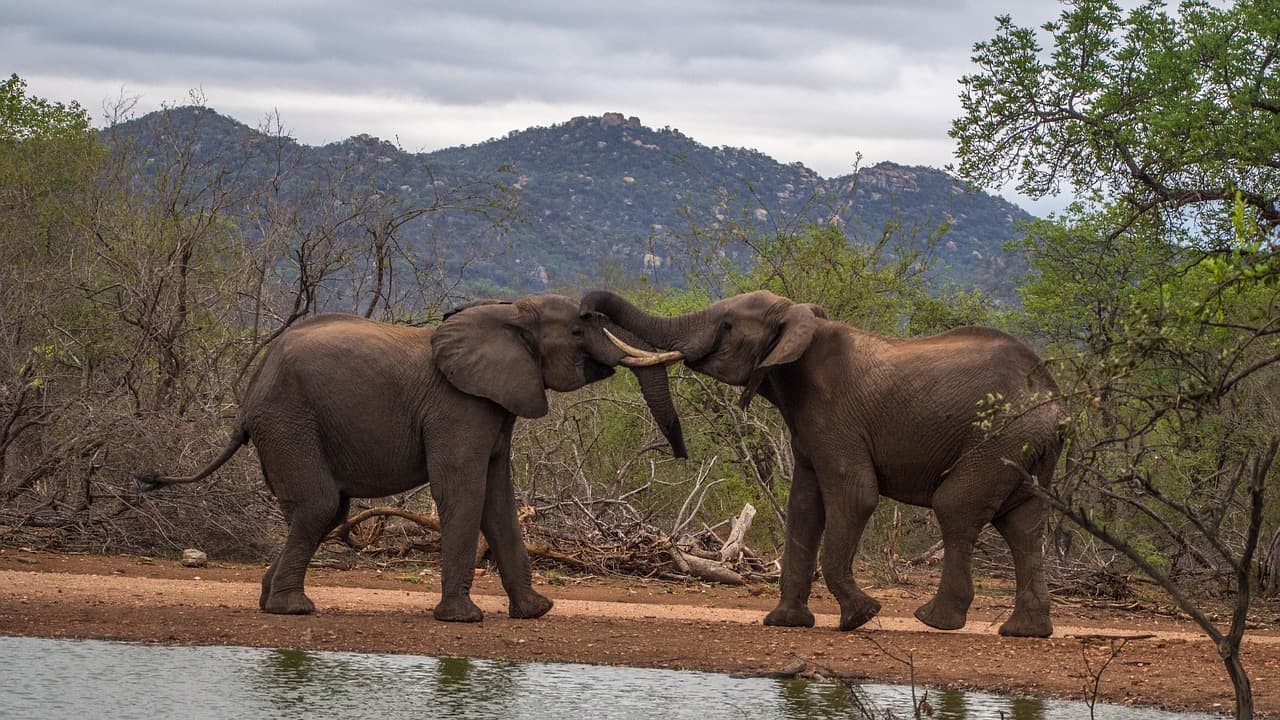
Explore the remarkable memory capabilities of elephants, including their ability to remember individuals for decades, navigate vast territories, and pass knowledge across generations.
·7 min read
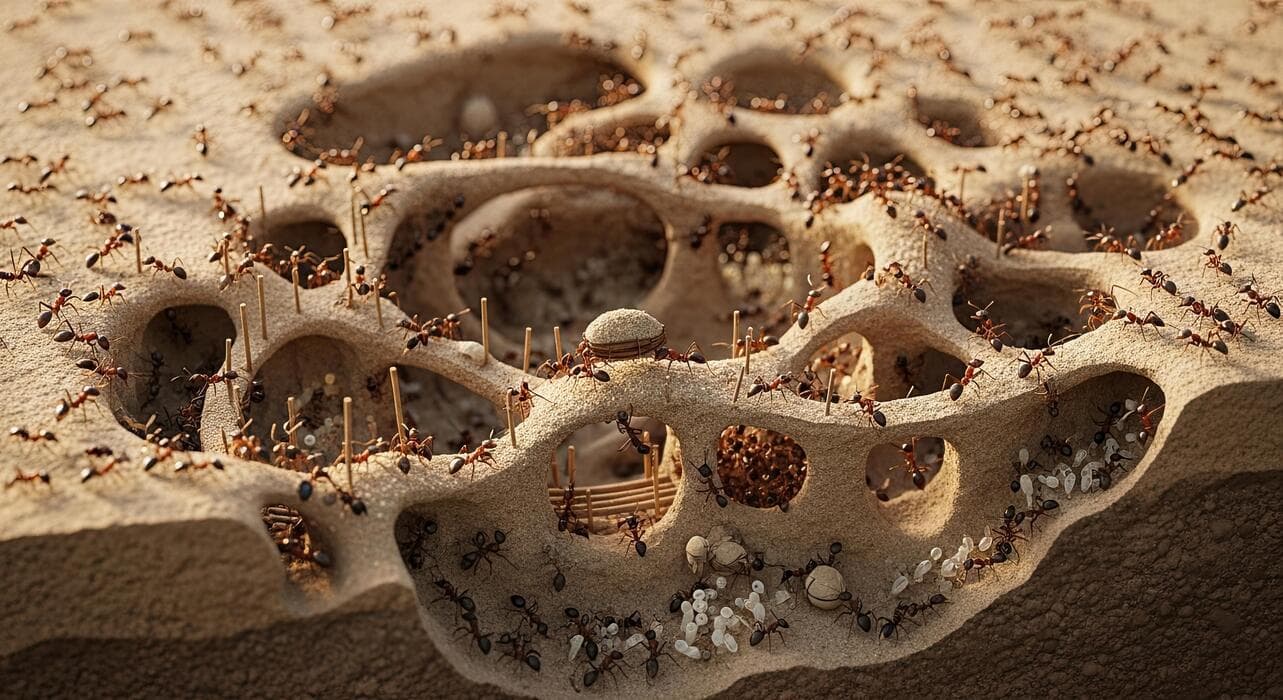
Discover how millions of ants coordinate without central control, using pheromone trails, division of labor, and emergent intelligence to build complex societies.
·9 min read