Ant Reproduction: Understanding the Complex Mating Systems of Social Insects
Among the most sophisticated reproductive strategies in the animal kingdom, ant mating behaviors represent millions of years of evolutionary refinement. From precisely synchronized aerial mating events to queens capable of storing viable sperm for decades, ant reproduction demonstrates remarkable biological adaptations. A single successful mating flight can establish a colony that persists for generations, sometimes outlasting entire human civilizations.
The Unique Architecture of Ant Reproduction
Ant colonies operate under a highly stratified reproductive system fundamentally different from most animal species. Reproduction is restricted exclusively to specialized castes: queens and males (drones). The worker caste—comprising the vast majority of colony members typically encountered—consists entirely of sterile females that never reproduce.
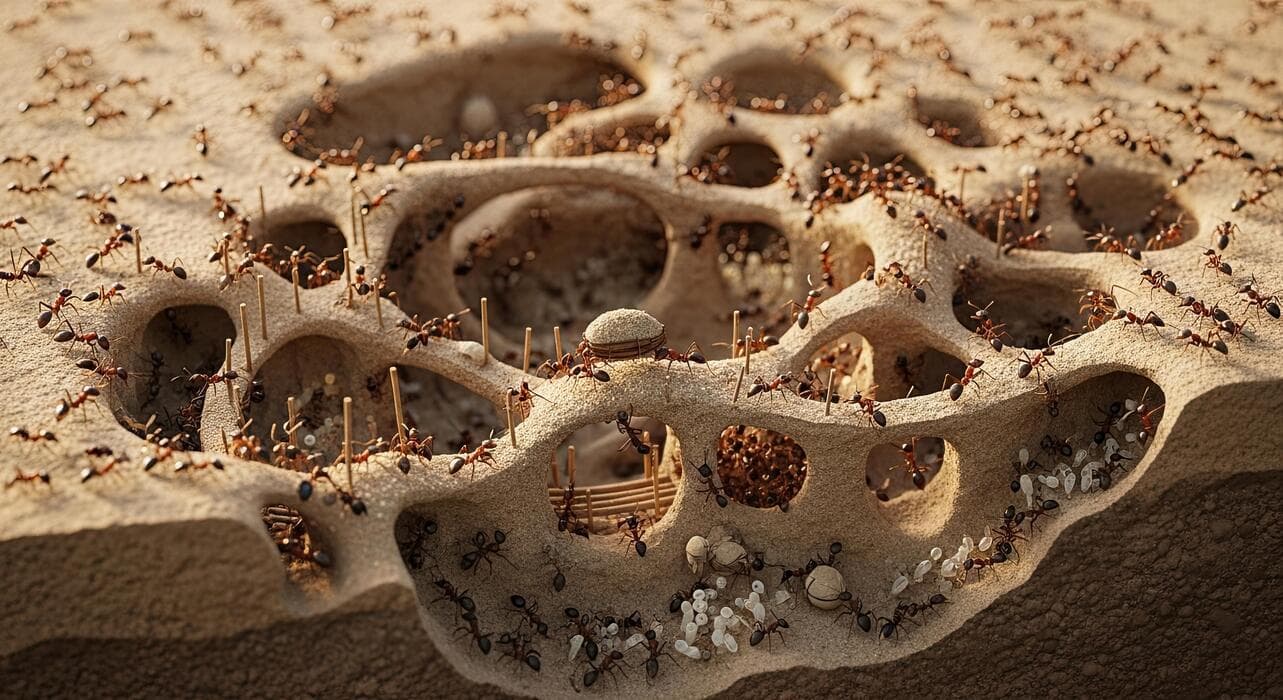
This division of labor represents one of nature's most efficient organizational structures. The colony functions as a superorganism, with all members supporting the queen's reproductive capacity. Through a single successful mating event, a queen can produce millions of offspring throughout her lifetime, which may span several decades depending on the species.
The Nuptial Flight: Synchronized Aerial Mating
Under specific environmental conditions—typically warm, humid weather following rain—colonies across entire regions synchronize the release of their reproductive individuals. This phenomenon, known as the nuptial flight or mating swarm, represents one of the most spectacular events in the insect world.
The nuptial flight follows a precise sequence:
- Alate development: Both male ants and virgin queens develop wings specifically for this event
- Environmental triggering: Colonies respond to atmospheric cues, ensuring mass synchronized flights
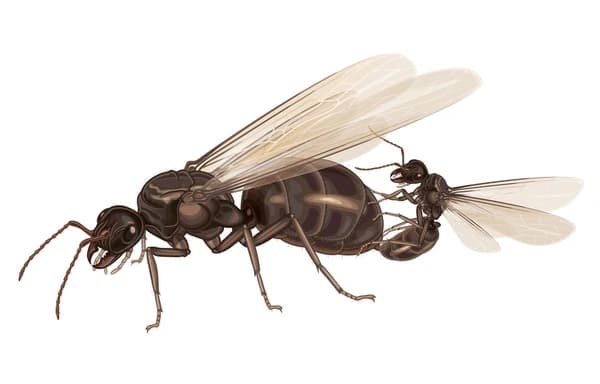
- Mid-air copulation: Mating occurs during flight, often at considerable altitudes
- Male mortality: Males die shortly after mating, their sole biological purpose fulfilled
- Colony founding: Mated queens return to earth to establish new colonies
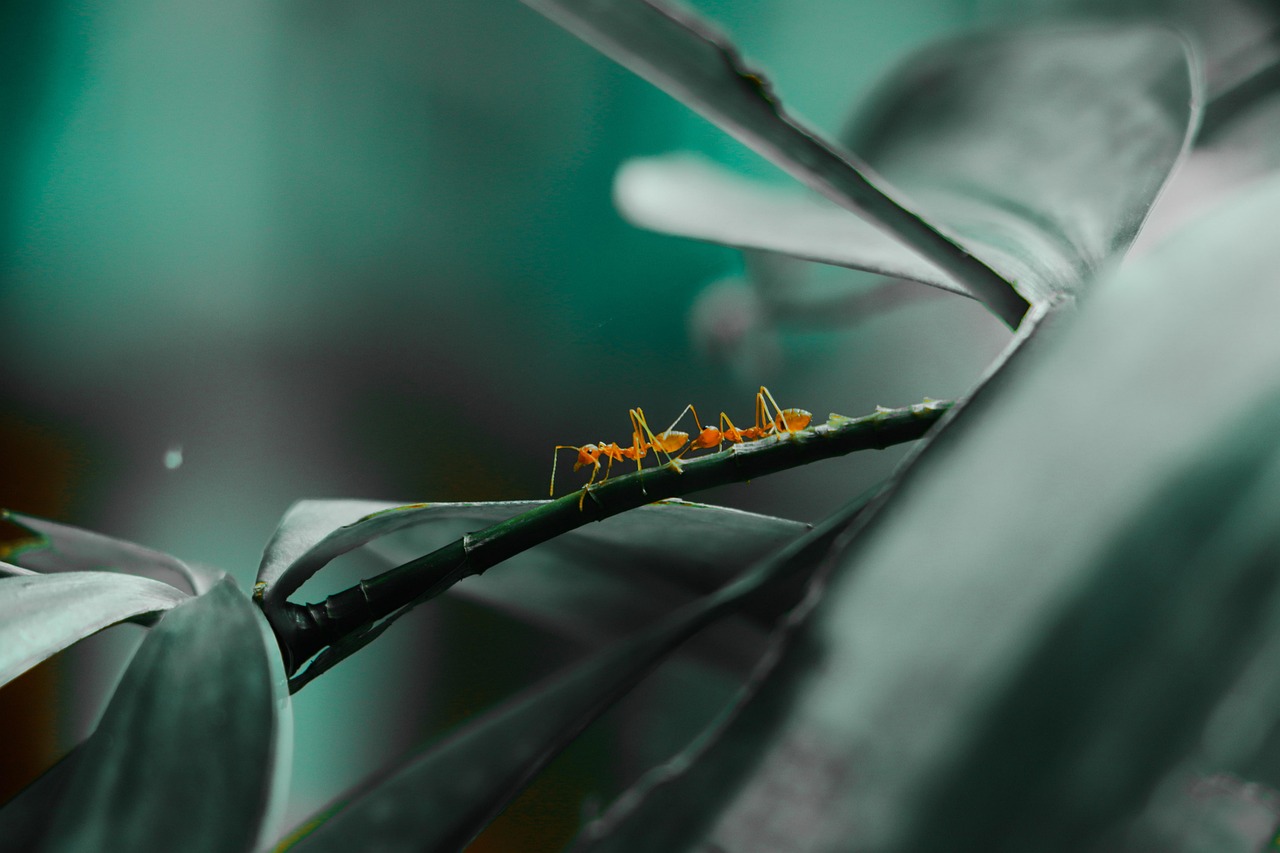
Thousands of winged ants participate in synchronized nuptial flights, a crucial event for genetic diversity and colony establishment.
Mating Mechanics and Sperm Storage
During aerial copulation, males transfer sperm to the queen's spermatheca, a specialized reproductive organ designed for long-term gamete storage. This single mating event—lasting mere minutes—represents the only reproductive encounter in most queens' entire lives.
Following successful mating, males experience rapid physiological decline and death, typically within hours. Their genetic contribution complete, they serve no further biological function. The queen, conversely, retains viable sperm within her spermatheca for extended periods—in some species, up to 30 years—enabling continuous egg fertilization throughout her lifespan.
Sustained Reproductive Output from a Single Mating
Queen longevity varies significantly across ant species but commonly ranges from 10 to 30 years. Throughout this extended period, queens utilize their stored sperm reserves to fertilize eggs according to colony requirements, demonstrating remarkable reproductive efficiency.
- High-productivity queens may lay thousands of eggs daily
- All worker offspring originate from the initial mating event
- Colony survival depends entirely on the queen's continued viability
- Sperm viability is maintained through specialized physiological mechanisms
Post-Mating Colony Establishment
Upon successful mating and returning to the ground, the newly mated queen undergoes a dramatic transformation. She immediately removes her wings by breaking them off at specialized fracture points—wings that will never be needed again. This act marks her transition from a flying reproductive to a terrestrial colony founder.
The colony founding sequence proceeds as follows:
- Nest site selection: The queen locates a suitable protected location, typically in soil or rotting wood
- Initial egg laying: She produces her first clutch of eggs using internal reserves
- Maternal provisioning: The queen nourishes developing larvae using her own metabolized flight muscles and fat reserves
- Larval development: Eggs progress through larval stages to pupation
- First worker emergence: Initial workers are typically smaller due to limited nutritional resources
- Colony establishment: Workers assume foraging, nursing, and defensive roles, enabling exponential colony growth
Once the first workers mature, they assume all colony maintenance tasks. The queen becomes permanently confined to the nest, attended continuously by workers who provide food, grooming, and protection. She will never leave the nest again, dedicating her remaining years entirely to egg production.
Haplodiploidy: The Genetic Determination System
Ants employ a sex-determination system called haplodiploidy, which differs fundamentally from the chromosomal systems used by mammals and many other organisms. This system provides colonies with precise control over offspring gender ratios.
The mechanism operates as follows:
- Fertilized eggs (diploid): Develop into females, which may become either workers or new queens depending on developmental conditions
- Unfertilized eggs (haploid): Develop exclusively into males, which possess only maternal genetic material
- Queen regulation: The queen controls fertilization during egg-laying, determining offspring gender based on colony needs
The Evolutionary Efficiency of Ant Mating
The ant reproductive strategy represents a masterwork of evolutionary optimization. Rather than requiring repeated mating events with their associated risks and energy expenditures, ants concentrate reproductive success into a single, highly synchronized event that ensures both genetic diversity and colony establishment.
This system provides multiple evolutionary advantages:
- Maximized genetic mixing: Synchronized mass flights ensure encounters between genetically diverse individuals from different colonies
- Risk reduction: Long-term sperm storage eliminates the need for queens to leave protective nests for additional mating
- Independent colony founding: Mated queens can establish colonies without ongoing male involvement or support
- Predator satiation: Mass simultaneous flights overwhelm predators, ensuring higher survival rates for reproductive individuals
- Environmental synchronization: Colonies time reproduction to optimal conditions, maximizing offspring survival
An Evolutionary Success Story
Ants emerged over 100 million years ago during the Cretaceous period, and their sophisticated reproductive systems have contributed substantially to their ecological dominance. Today, ants are found on every continent except Antarctica, comprising an estimated 20% of terrestrial animal biomass.
From a brief aerial encounter lasting mere minutes, entire subterranean metropolises emerge. A single mated queen generates cascading generations of workers, soldiers, and future reproductives—colonies that may persist for decades, sometimes outlasting the human structures built above them.
Though small and often unnoticed, ant reproductive biology represents one of nature's most elegant solutions to the challenges of survival and propagation. These intricate systems, refined across millions of years, continue to fascinate scientists and demonstrate the remarkable diversity of life's reproductive strategies.