How Penguins Survive Extreme Cold: Antarctic Survival Secrets
Emperor penguins endure the harshest winters on Earth, surviving temperatures as low as -40°C (-40°F) and wind speeds up to 140 km/h (90 mph). Their survival depends on remarkable biological adaptations that have evolved over millions of years.
Counter-Current Heat Exchange System
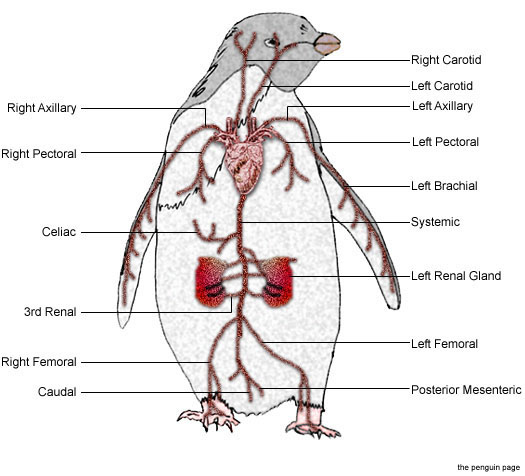
One of the most ingenious adaptations emperor penguins possess is their counter-current heat exchange system. This specialized vascular arrangement runs through their legs and flippers, where arteries carrying warm blood from the heart run parallel to veins returning cold blood from the extremities.
As warm arterial blood flows down toward the feet, it transfers heat to the cold venous blood returning upward. This pre-warms the blood before it reaches the heart, minimizing heat loss to the environment. Scientists estimate this system can reduce heat loss by up to 80% compared to animals without such adaptations.
The Science of Huddling Behavior
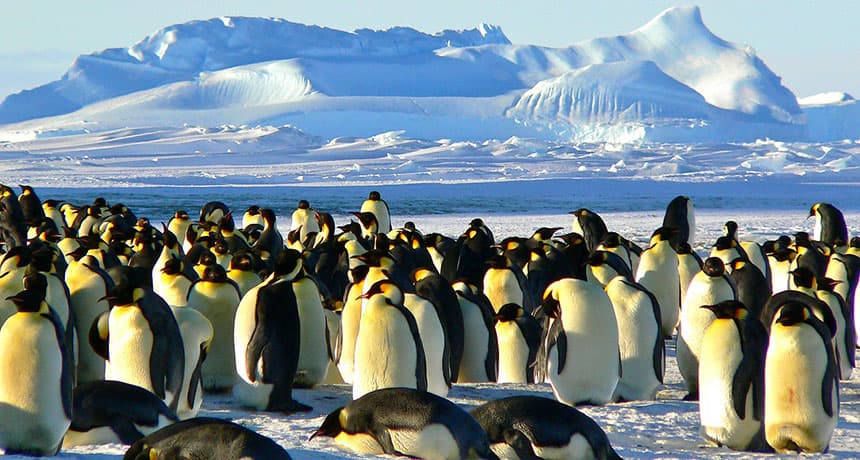
During Antarctic winters, male emperor penguins form massive huddles of up to 5,000 individuals while incubating eggs. This coordinated behavior is not just social—it's a survival strategy that reduces heat loss by up to 50% and cuts individual energy expenditure by 30%.
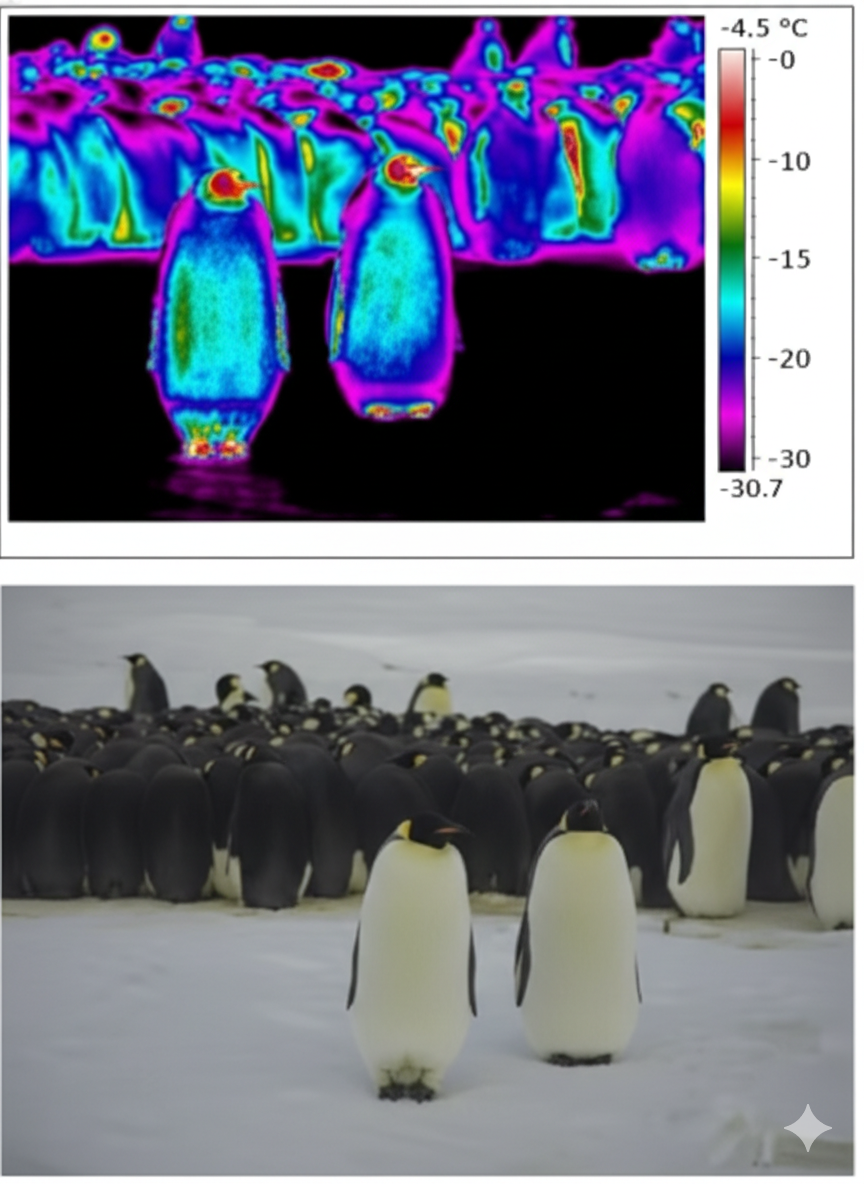
Research published in the journal Nature has shown that penguins continuously rotate positions within the huddle, with individuals on the cold periphery gradually moving inward to the warmer center. This rotation occurs approximately every 30-60 minutes, ensuring all members benefit from the warmth while sharing the burden of exposure to harsh conditions.
Temperature Gradients in Huddles
Thermal imaging studies reveal dramatic temperature differences within penguin huddles. The center of a huddle can reach temperatures of 37°C (98.6°F)—matching the penguin's body temperature—while the outer edge remains near -20°C (-4°F). This 57-degree gradient demonstrates the effectiveness of collective thermoregulation.
Feather Insulation and Waterproofing
Emperor penguins have approximately 100 feathers per square inch—the highest density of any bird species. This creates multiple layers of insulation that trap air and provide exceptional thermal protection. Each feather is meticulously waterproofed with oil from the preen gland located near the tail.
The feather structure is remarkably complex, with each feather having:
- A stiff central shaft (rachis) for structural support
- Hundreds of barbs extending from the shaft
- Thousands of barbules with tiny hooks that zip the feathers together
- A fluffy layer of down feathers underneath for additional insulation
This intricate architecture creates a windproof and waterproof barrier that's crucial for survival in blizzard conditions. Penguins spend 2-3 hours daily preening to maintain this protective barrier.
Metabolic Adaptations
Emperor penguins can lower their metabolic rate by up to 25% during the breeding season when food is scarce and energy conservation is critical. This metabolic flexibility allows males to fast for up to 120 days while incubating eggs—surviving entirely on stored body fat.
During this extended fast, a male penguin can lose up to 45% of his body weight. Their bodies prioritize essential functions, shutting down non-critical processes to conserve energy. Remarkably, they can recover this weight loss within weeks once they return to the ocean and resume feeding.
Behavioral Cold Tolerance
Beyond physical adaptations, emperor penguins exhibit sophisticated behavioral strategies for cold survival:
- Tucking: Penguins tuck their heads and flippers close to their bodies, reducing exposed surface area by 25%
- Orientation: They orient away from prevailing winds, presenting the smallest profile to cold air currents
- Activity timing: They're most active during the relatively warmer midday hours, resting during extreme cold periods
- Egg protection: Males balance eggs on their feet, covered by a specialized brood pouch that maintains temperatures around 36°C (96.8°F)
Evolutionary Success
These adaptations represent millions of years of evolution in one of Earth's most extreme environments. Emperor penguins are the only warm-blooded animal that breeds during the Antarctic winter, demonstrating the effectiveness of their survival strategies.
However, these specialized adaptations may become a vulnerability. As Antarctica warms due to climate change, emperor penguins face new challenges. Sea ice—essential for breeding—is forming later and breaking up earlier, disrupting their reproductive cycle and threatening population stability.
Conservation Status
Emperor penguins are currently listed as "Near Threatened" by the International Union for Conservation of Nature (IUCN). Climate models predict that if current warming trends continue, emperor penguin populations could decline by 26-47% by 2050, with some colonies potentially disappearing entirely.
Conservation efforts focus on:
- Monitoring population trends through satellite imagery
- Protecting critical breeding colonies from human disturbance
- Reducing global greenhouse gas emissions to slow Antarctic warming
- Studying penguin biology to inform adaptive management strategies
Understanding how emperor penguins survive extreme cold not only reveals nature's ingenuity but also highlights the delicate balance these creatures maintain with their environment—a balance increasingly threatened by rapid climate change.